Skip to content

Decaf: Melta, Caro or decaf

· Adam Morkus · 6 min read · Caffeine and health

In short: Caro is a caffeine-free coffee substitute made by Nestlé from roasted barley, rye and chicory, with no coffee bean and therefore zero caffeine. Melta is the Central European equivalent based on roasted chicory root, grain and sugar beet. Decaf is real coffee with most caffeine removed, keeping about 2 to 5 mg per cup.

Caroroasted barley, rye and chicory; Nestlé, since 1954
Meltaroasted chicory root, grain and sugar beet; contains inulin
Caffeine in Caro and Melta0 mg
Caffeine in decafabout 2 to 5 mg per cup (97 % or more removed)
Decaffeination methodsSwiss Water, EA (sugar cane solvent), carbon dioxide
Chai latteabout a fifth of the caffeine of coffee

Caro is a caffeine-free coffee substitute made from roasted barley, rye, chicory and sugar beet, sold by Nestlé since 1954. It contains no coffee bean at all, so it has zero caffeine, unlike decaf, which keeps 2 to 5 mg per cup. Melta is the Central European equivalent, built on roasted grain and chicory in much the same way. Whether it is good for you depends on what you compare it with: it brings no caffeine and a little fibre, but also carbohydrate from the grain and, in the instant versions, added sugar.
Decaf: Melta, Caro or decaf

The decaffeinated coffee boom

In recent years, there has been more and more talk about healthy lifestyles, good eating and sleep hygiene. In addition to alcohol and smoking, coffee and caffeine are often mentioned in this context. However, we already know from our blog that coffee in a reasonable amount and at the right time of day notonly does not harm health, but on the contrary helps.

Decaf: Melta, Caro or decaf
Caffeine molecule | harvard.edu

Of course, a reasonable level is individual, and it's easy and easy to exceed. Many of us also cannot drink coffee for health reasons. Whether it's high blood pressure, epilepsy or the pregnancy mentioned in the introduction.

That is why there are alternatives, whether in the form of traditional coffee drinks such as melta or classic decaffeinated coffee beans such as espresso or cappuccino.


Decaf: Melta, Caro or decaf

What is Melta?

Melta was created in the second war years to replace the missing coffee. It is a powder made from roasted chicory root, grain and sugar beet. When poured over hot water, it is close to coffee in both smell and taste. For those who want to sleep well, have high blood pressure or are breastfeeding it has one big advantage - it does not contain caffeine.

Thus, people have always considered molta as a substitute for coffee. But today we know it has something extra. It contains inulin, a polysaccharide that has many health benefits. It has a low calorie value, probiotic effects, strengthens the intestinal microflora and therefore the immune system. Molta can be purchased in powder or in bags.


Decaf: Melta, Caro or decaf

What is Caro?

Caro is a soluble drink produced by Nestlé. It is very similar to Melta but does not contain beetroot. It is made entirely from roasted cereals and chicory. Some of the barley used for production is germinated, similar to brewingbeer. This gives the resulting drink a pleasant and natural sweetness.


Other alternatives

Other decaffeinated coffee alternatives worth mentioning include the classic chicory (roasted and ground chicory root), which has been around for hundreds of years. There are also spelt coffee, rye coffee and coffee made from roasted dandelion roots, among others, often in various combinations.

Decaf - decaffeinated coffee

Decaf: Melta, Caro or decaf
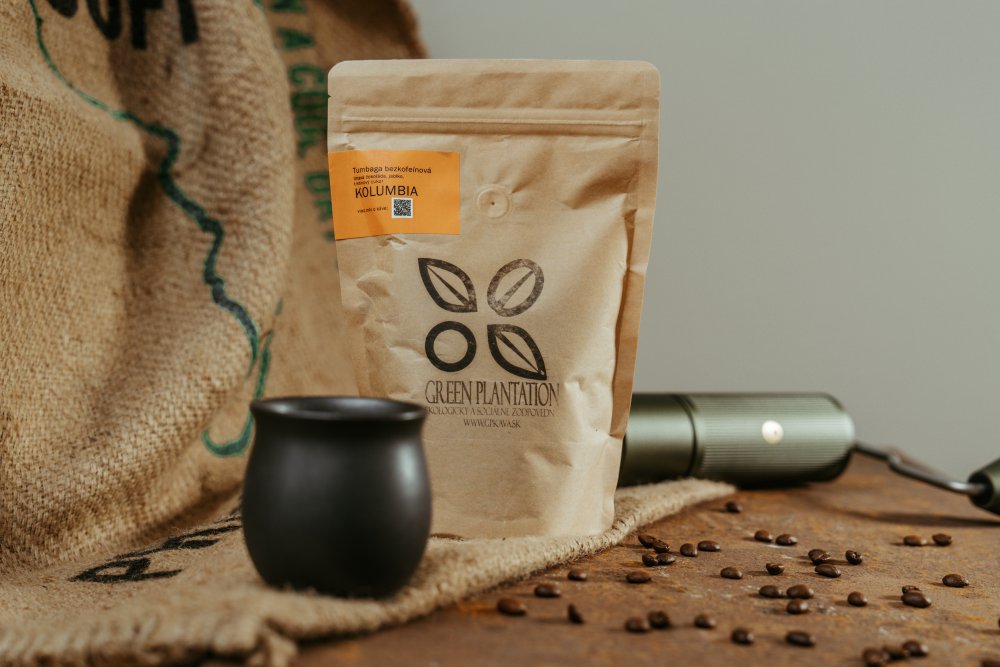
Decaf Green Plantation

Green coffee, i.e. coffee beans before roasting, is currently decaffeinated in three basic ways:

  1. Swiss water method
  2. EA method - using sugar cane solvent
  3. Decaffeination using carbon dioxide

Further processing, i.e. packaging, roasting and sale of the coffee is practically no different from the traditional one. And the same applies to the preparation - decaffeinated coffee can be ground at home and prepared for filter, espresso, espresso or French press.

Caffeine removal process

What alternatives do Czech coffee shops offer?

This brings us to what coffee businesses in our region have to offer if you don't want to dope up on caffeine. We did a little research and approached about a dozen or so directly - primarily those that are riding the third coffee wave with us and for them, choice coffee is the starting line.

Starring chai latte

To my personal surprise, several coffee shops (especially those in smaller towns) mentioned that the demand for decaf was so minimal that it was almost not worth including it in their offerings. The most common substitute for decaffeinated coffee in the responses was chai latte. While it does contain caffeine, it is a negligible amount compared to coffee - about a fifth. Another surprise was the organic spelt coffee with chicory offered in all the same ways as the classic one. It's not real coffee, but I'm sure a spelt flat white can be a great alternative.

Decaf: Melta, Caro or decaf
Latte art on chai latte | cajovebedynky.cz

A caffeine-free shot for every family

Two Prague cafes mentioned that you can have a decaffeinated shot in any coffee on their menu. Understandably, this is due to the greater purchasing power in the big city. In general, when cafés offer real decaffeinated coffee, people most often have it made with milk - cappuccino or caffè latte. Among other drinks, several cafés interviewed mentioned hot chocolate and cocoa, especially in the winter months.

Coffee at night?

If you can't or don't want to indulge in caffeinated coffee, considerdecaffeinated alternatives on your next visit to a café. A chai latte or decaffeinated filter coffee may surprise you. And you'll have a good night's sleep.


Frequently asked questions

What is Caro coffee made of?

Roasted barley, rye, chicory root and sugar beet, ground and dried into an instant powder. There is no coffee in it, which is why it carries no caffeine. Nestlé has produced it since 1954 and sells it as Caro, Bambu or Pero depending on the market.

Is Caro good for you?

It is caffeine-free and contains inulin from the chicory, a prebiotic fibre. On the other side, roasted grain means carbohydrate, and some instant versions add sugar, so it is not calorie-free. As a replacement for a late-evening coffee it works well; as a health drink the claims are overstated.

What is the difference between Caro and decaf?

Decaf is real coffee with 97 per cent or more of the caffeine removed, leaving 2 to 5 mg per cup and keeping the taste of coffee. Caro contains no coffee bean at all, has no caffeine whatsoever and tastes of roasted grain, closer to malt than to espresso.

Does grain coffee contain caffeine?

No. Barley, rye and chicory produce none, so a cup contains zero milligrams. That makes these drinks suitable in pregnancy and for children, where even decaf adds a small amount.

What other coffee alternatives are there?

Chicory on its own, roasted dandelion root, spelt or barley malt drinks and, at the other end, decaf if you want the coffee taste without the effect. Chicory-based drinks come closest to the bitterness of coffee, while pure grain versions are sweeter and milder.

You might also like: Coffee trends

← All articles