Česky (CZK)
 Slovensky (EUR)
 Magyar (HUF)
 Polski (PLN)
 English (EUR)
 Deutsch (EUR)
 Français (EUR)
 Español (EUR)
 Português (EUR)
 Italiano (EUR)
 Svenska (SEK)
 Suomi (EUR)
 Nederlands (EUR)
 Dansk (EUR)
 Lëtzebuergesch (EUR)
 Eesti (EUR)
 Latviešu (EUR)
 Lietuvių (EUR)
 Slovenščina (EUR)
 Română (RON)
 Български (EUR)
 Hrvatski (EUR)
 Ελληνικά (EUR)
 Українська (EUR)
 Norsk (EUR)
 Srpski (EUR)
 Tiếng Việt (EUR)
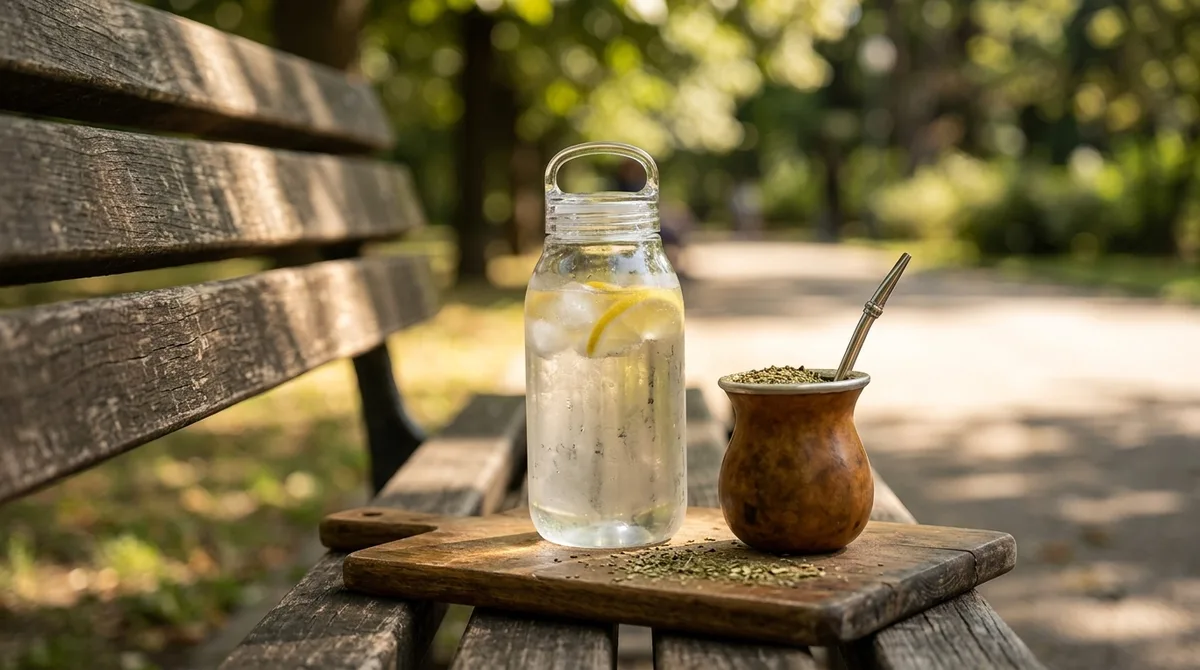



A Beverage That Unites a Continent
In Argentina, Uruguay, Paraguay, and southern Brazil, there exists a beverage that long ago transcended the boundaries of a mere refreshment. Yerba mate is a social ritual, a morning routine, a symbol of friendship and national pride. In Argentina, more mate is consumed annually than all other beverages combined – including coffee and drinking water.
Mate is prepared from the leaves and twigs of the Ilex paraguariensis shrub (Paraguayan holly) – an evergreen plant from the holly family, native to the subtropical rainforests of South America. The Guaraní Indians knew of it and used it for centuries before it reached European colonists.
Explore our mate products – yerba mate, gourds, and bombillas.
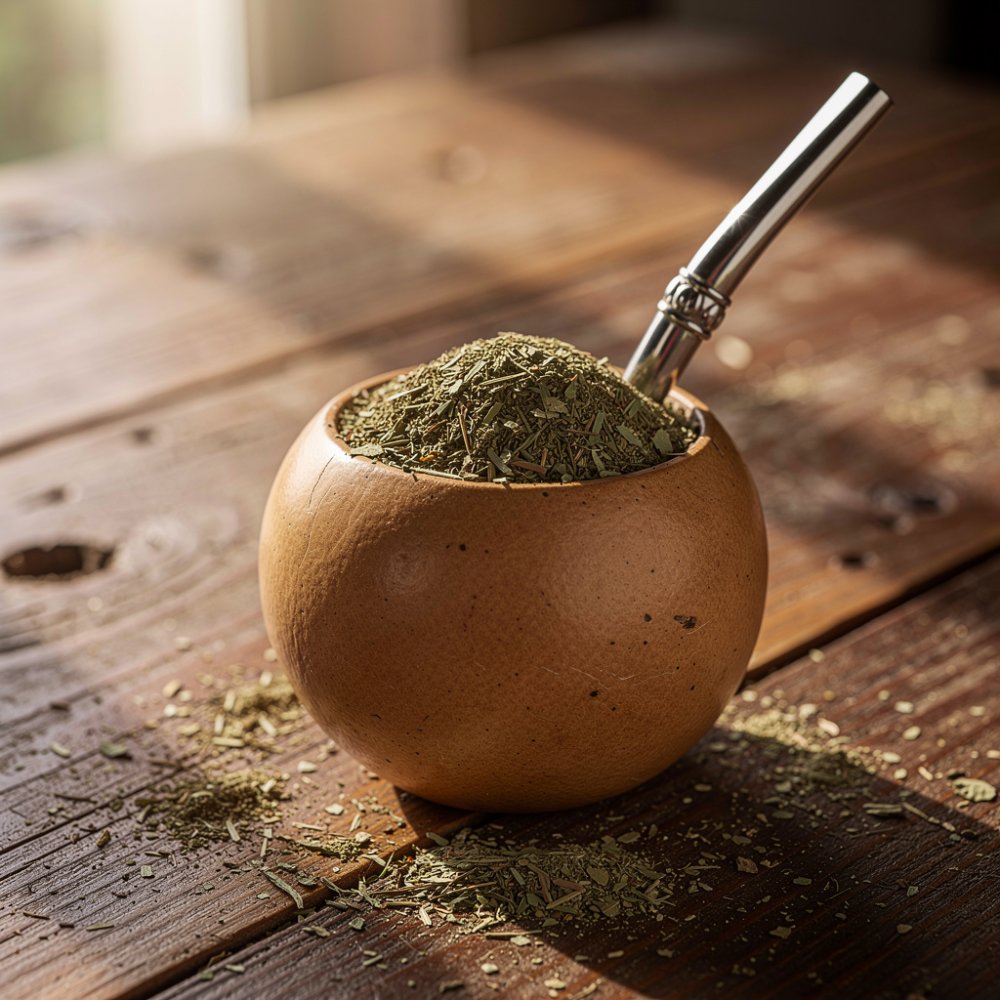
History and Culture of Mate
Origins Among the Guaraní
The Guaraní tribe in the region of present-day Paraguay and northeastern Argentina discovered the effects of mate long before Europeans arrived. They chewed or steeped the leaves of Ilex paraguariensis in water as a stimulant and medicinal remedy. The Guaraní called the plant "ka'a" and considered it a gift from the moon goddess – its cultivation and consumption held sacred significance.
Jesuits and Commercial Cultivation
In the 17th century, Jesuit missions in Paraguay began systematically cultivating yerba mate on plantations, earning it the designation "Jesuit tea." The Jesuits made a crucial botanical discovery: mate seeds germinate reliably only after passing through the digestive tracts of birds. This knowledge enabled the transition from wild harvesting to controlled, industrial cultivation.
Modern Culture
Today, mate is deeply rooted in the daily life of the entire subcontinent:
- Argentina – national beverage consumed throughout the day, shared among groups regardless of age or social status
- Uruguay – highest per capita mate consumption in the world; thermoses and gourds are commonplace in public spaces
- Paraguay – home to cold tereré, which is now gaining popularity far beyond the country's borders
- Southern Brazil – chimarrão, a stronger version prepared from finely ground yerba with pronounced bitterness
Sharing mate is an act of friendship and trust. In many communities, refusing offered mate is considered impolite.
Accessories – Gourd and Bombilla
Gourd (Mate)
The traditional vessel for preparing mate is called "mate" or "cuia" (in Brazil). Originally crafted from the dried fruit of the bottle gourd (Lagenaria siceraria), today it comes in a range of materials with different properties:
| Material | Properties | Suitable For |
|---|---|---|
| Gourd | Traditional, gradually absorbs mate flavor, requires curing (curado) | Purists, traditional preparation |
| Wood (palo santo, lapacho) | Adds subtle woody notes, durable with proper care | Advanced drinkers |
| Ceramic | Neutral flavor, easy maintenance | Beginners |
| Stainless steel / metal | Durable, portable, excellent temperature insulation | Travel, everyday use |
| Guampa (horn) | Traditional Paraguayan vessel, primarily for tereré | Cold mate |
A new gourd must be properly cured – called curado – before first use. Fill it with used yerba and hot water, then let it sit for 24 hours. This process removes the bitter taste of the gourd, strengthens the interior walls, and prepares the surface to gradually absorb mate flavors. A gourd cared for patiently will serve for years.
Bombilla
A bombilla is a metal straw – usually made of stainless steel – with a filter at the bottom. The filter prevents leaf particles from entering your mouth and comes in several variants for different yerba types:
- Flat filter (spoon) – most common type, works reliably with most yerba mate
- Spring filter – better captures finely ground yerba, less prone to clogging
- Pointed filter – traditional design, suitable for coarser ground and granulated yerba
When selecting a bombilla, look for food-grade stainless steel 304, which resists corrosion and doesn't leave a metallic aftertaste. Also ensure the bombilla's length fits your gourd comfortably – it should easily reach the bottom.
Browse our complete mate accessory selection in the mate section.
Traditional Mate Preparation
Step-by-Step Guide
- Fill the gourd – pour yerba mate into about 2/3 of the gourd's capacity
- Create a slope – tilt the gourd so the yerba forms an angled surface with empty space on one side; this geometry is key to slow, even flavor release
- Moisten the yerba – pour a small amount of lukewarm water (40–50 °C) into the empty space at the base of the slope and wait 30–60 seconds; the water gently moistens the lower layers without burning the herb
- Insert the bombilla – push the bombilla firmly into the moistened area at the base of the slope; do not move it once inserted
- Pour hot water – add water at 70–80 °C (never boiling) around the bombilla; fill only to the level of the yerba, not higher
- First serving – the first one or two pourings (cebadura) are traditionally drunk by the person preparing it (cebador); they tend to be the most bitter and serve to open up the mate's flavor
- Refill – after drinking, pour again at the same temperature; quality yerba can handle 15–20 pourings with gradual flavor evolution
Key Rules
- Never use boiling water – temperatures above 85 °C will "burn" delicate polyphenols and create an unpleasant, bitter taste that cannot be corrected
- Don't move the bombilla – once inserted, it must stay in place; moving it clogs the filter and disrupts the slope structure
- Don't stir the yerba – with spoon or bombilla; maintaining the slope structure ensures gradual flavor release throughout the session
- Drink to the bottom – finish each pouring completely until you hear characteristic bubbling at the base
- The dry side serves as a reserve – the upper, dry portion of yerba engages gradually, rewarding patient drinkers with gentler, sweeter flavors in the final pourings
Caffeine in Mate – Comparison
Mate contains caffeine (sometimes called mateine, though chemically it is the same compound) in combination with two other xanthines – theobromine (also found in cocoa) and theophylline (characteristic of tea). This three-way combination creates a stimulation profile distinctly different from caffeine alone.
| Beverage | Caffeine per Serving | Energy Character |
|---|---|---|
| Espresso (30 ml) | 60–80 mg | Fast onset, short duration |
| Filtered coffee (240 ml) | 80–120 mg | Fast onset, medium duration |
| Yerba mate (240 ml) | 70–85 mg | Gradual onset, long duration |
| Matcha (240 ml) | 60–70 mg | Calm energy, long duration |
| Green tea (240 ml) | 20–45 mg | Gentle onset, long duration |
| Black tea (240 ml) | 40–70 mg | Medium onset, medium duration |
The key difference from coffee: energy from mate kicks in more slowly, lasts longer, and fades more smoothly – without the typical caffeine crash. Regular drinkers describe the resulting state as "calm alertness" – full concentration without nervousness or scattered feeling.
Health Benefits of Yerba Mate
Systematic reviews and clinical studies (including research published in PMC) document several proven effects on the human body:
Proven Benefits
- Antioxidant capacity – mate contains more antioxidants than green tea, including chlorogenic acid, which is also characteristic of coffee
- Anti-inflammatory effects – polyphenols in mate demonstrably reduce inflammatory processes at the cellular level
- Cardiovascular health – improvement in lipid profiles including reduced LDL and increased HDL cholesterol
- Metabolism – supports fat burning and increases basal metabolic rate, confirmed by studies during physical activity
- Physical performance – improves endurance parameters and shortens recovery time after exercise
- Cognitive function – the combination of caffeine, theobromine, and theophylline synergistically enhances concentration, working memory, and reaction time
Points to Consider
- Beverage temperature – drinking beverages above 65 °C is epidemiologically linked to increased esophageal cancer risk; allow mate to cool slightly before each pouring
- Tooth staining – with daily consumption, mate can discolor tooth enamel similarly to coffee or black tea
- Caffeine sensitivity – if you're sensitive to caffeine, limit mate intake to morning hours and monitor total daily intake
Cold Mate – Tereré
Tereré is a cold version of mate, originating from Paraguay, where it has been declared part of the national cultural heritage. It is primarily consumed during hot summer months and has gained popularity in Europe in recent years as a refreshing alternative to energy drinks.
Tereré Preparation
- Fill a gourd or guampa (traditional Paraguayan horn vessel) with yerba to 2/3 capacity
- Instead of hot water, use ice water or water with plenty of ice
- Add fresh herbs and fruit – traditionally mint, cedrón (verbena), grapefruit, or lemon; this combination of cooling herbs and citrus intensifies the refreshing effect
- Insert the bombilla and drink
- Periodically refill with cold water and add more ice as needed
Tereré is not only stimulating but also hydrating – making it ideal for hot weather. In Paraguay, it is consumed communally just like hot mate: one gourd passes from hand to hand among friends in a circle.
Modern Preparation Methods
If you don't have a gourd and bombilla, you can still enjoy mate without traditional equipment:
French Press
- Dose 2–3 teaspoons of yerba mate per 300 ml of water (75 °C)
- Steep 3–5 minutes – longer times yield more pronounced bitterness
- Press the plunger slowly and evenly, then pour
Tea Strainer / Infuser
- Fill the strainer with yerba – don't overfill, leaves need space to expand
- Pour water at 75–80 °C
- Steep 3–5 minutes; ideal for a single serving with minimal cleanup
Mate Cocido (Tea Bags)
Some brands offer yerba mate in single-serving sachets – prepared like regular tea. This is the most convenient but least authentic method, unable to reproduce the full aromatic profile of traditional preparation.
Iced Mate (Cold Brew Style)
- Prepare a strong extract – 3 teaspoons yerba / 200 ml water at 75 °C, steep 5 minutes
- Strain and allow to cool to room temperature
- Pour into a glass with ice and add lemon and honey to taste
Frequently Asked Questions (FAQ)
What's the difference between yerba mate and tea?
Yerba mate comes from the Ilex paraguariensis plant (Paraguayan holly), while true tea comes from Camellia sinensis. These are botanically completely different species with different chemical composition. The preparation method is also fundamental: mate is repeatedly poured in a gourd – sometimes 20 times – while tea is typically steeped once.
Is mate stronger than coffee?
Both beverages are comparable in caffeine content (70–85 mg vs. 80–120 mg per typical serving), but they work differently. Energy from mate rises gradually and lasts longer, with most people describing the stimulation as less nerve-wracking and more balanced than coffee – thanks to the accompanying xanthines theobromine and theophylline.
How many pourings does one batch of yerba last?
Quality yerba mate can handle 15–20 pourings. The flavor inevitably changes: the first pouring is intense and bitter, the middle ones are balanced and full-bodied, and the last ones are gentle and slightly sweet. When mate stops yielding flavor, Argentine drinkers say it is "lavado" – washed.
Do I need a gourd and bombilla?
No – you can prepare mate equally well in a French press or with a tea strainer. Traditional preparation in a gourd with a bombilla, however, is itself part of the overall experience and ritual. If you're starting out, choose a ceramic gourd and stainless steel bombilla – they're durable, low-maintenance, and require no special care.
Can I drink mate in the evening?
Mate contains caffeine, so if you're sensitive to it, we recommend finishing your last cup by 2:00–4:00 PM. Many people, however, tolerate mate better than coffee precisely because of its slower energy release – it may not significantly affect their sleep. You'll best discover your own tolerance through personal experience.
Sources
- PMC – Yerba Mate – A Long but Current History
- Healthline – 7 Health Benefits of Yerba Mate
- National Geographic – What is yerba mate?
- Wikipedia – Mate (drink)