
-
 Česky (CZK)
-
 Slovensky (EUR)
-
 Magyar (HUF)
-
 Polski (PLN)
-
 English (EUR)
-
 Deutsch (EUR)
-
 Français (EUR)
-
 Español (EUR)
-
 Português (EUR)
-
 Italiano (EUR)
-
 Svenska (SEK)
-
 Suomi (EUR)
-
 Nederlands (EUR)
-
 Dansk (EUR)
-
 Lëtzebuergesch (EUR)
-
 Eesti (EUR)
-
 Latviešu (EUR)
-
 Lietuvių (EUR)
-
 Slovenščina (EUR)
-
 Română (RON)
-
 Български (EUR)
-
 Hrvatski (EUR)
-
 Ελληνικά (EUR)
-
 Українська (EUR)
-
 Norsk (EUR)
-
 Srpski (EUR)
-
 Tiếng Việt (EUR)
Coffee origins and history
Coffee origins show up in every cup. Altitude, soil, variety and processing decide whether a coffee tastes of chocolate, citrus or jasmine. In this section we map coffee growing countries and follow the bean from farm to roastery.
The history of coffee begins in Ethiopia and runs through Yemen, Europe and Latin America to today's specialty farms. We write about how coffee spread across the world and about what is happening in the market now:
- types of coffee beans, from arabica and robusta to gesha,
- processing: washed, natural and honey,
- sustainability, coffee prices and the EUDR regulation,
- curiosities and news from the coffee world.
Knowing the origin also helps when you shop: the label on a bag tells you how the coffee will probably taste and which brewing method suits it best.
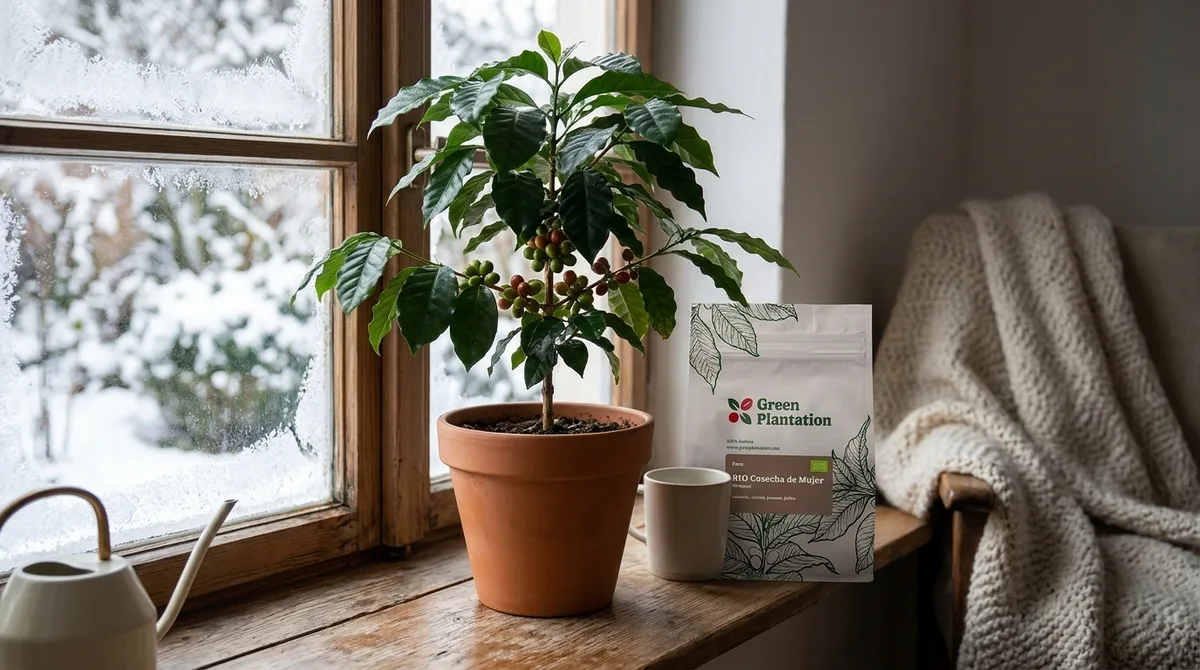 The Coffee Plant: Where Coffee Comes From and How to Grow It at Home
The plant behind your coffee: what it looks like, how arabica differs from robusta, where today's varieties came from, and how to grow and keep a coffee plant… 4. 10. 2026
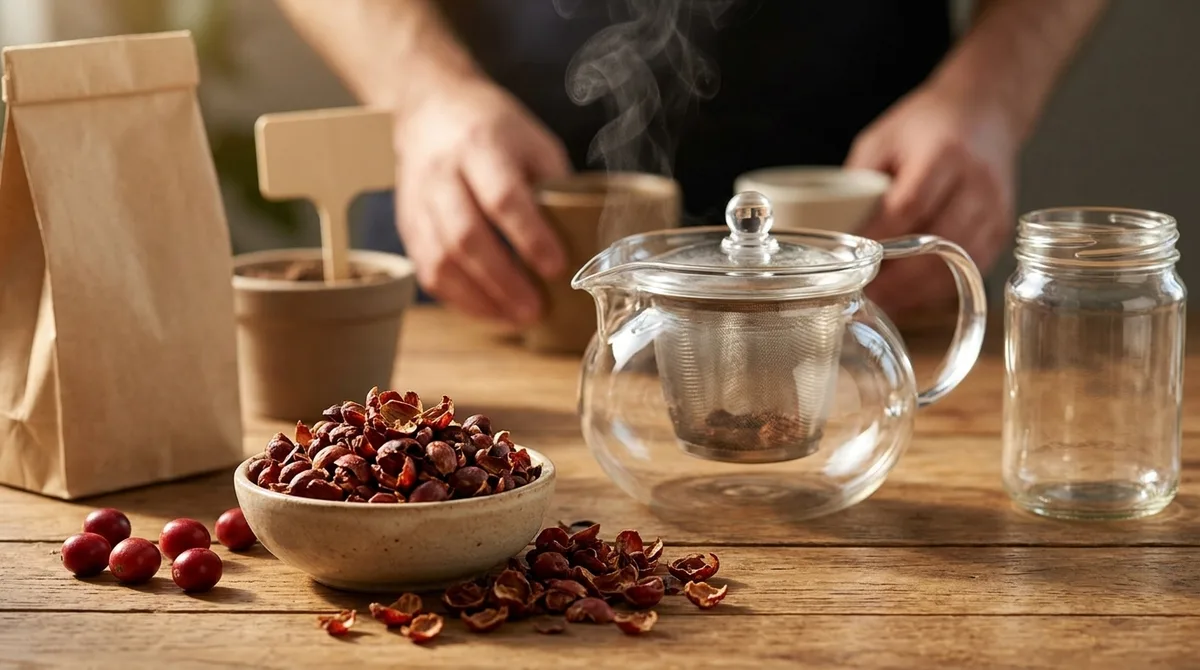 Cascara: The Dried Coffee Cherry Husk, and How to Brew It
The dried coffee cherry husk that tastes like fruit tea: where it comes from, what EU law says about it, and how to brew it hot or cold. 4. 10. 2026
 Colombia and Brazil – Two Largest Producers
Brazil and Colombia together produce over 45% of the world's coffee. Brazil is unquestionably the largest producer – approximately 60 million bags annually,… 6. 3. 2026
 Kenya, Rwanda, Burundi – African Coffee Specialty
If you've ever experienced a cup of coffee with acidity so bright that it reminded you of fresh blackcurrant juice – not sharp or unpleasant, but vibrant,… 6. 3. 2026
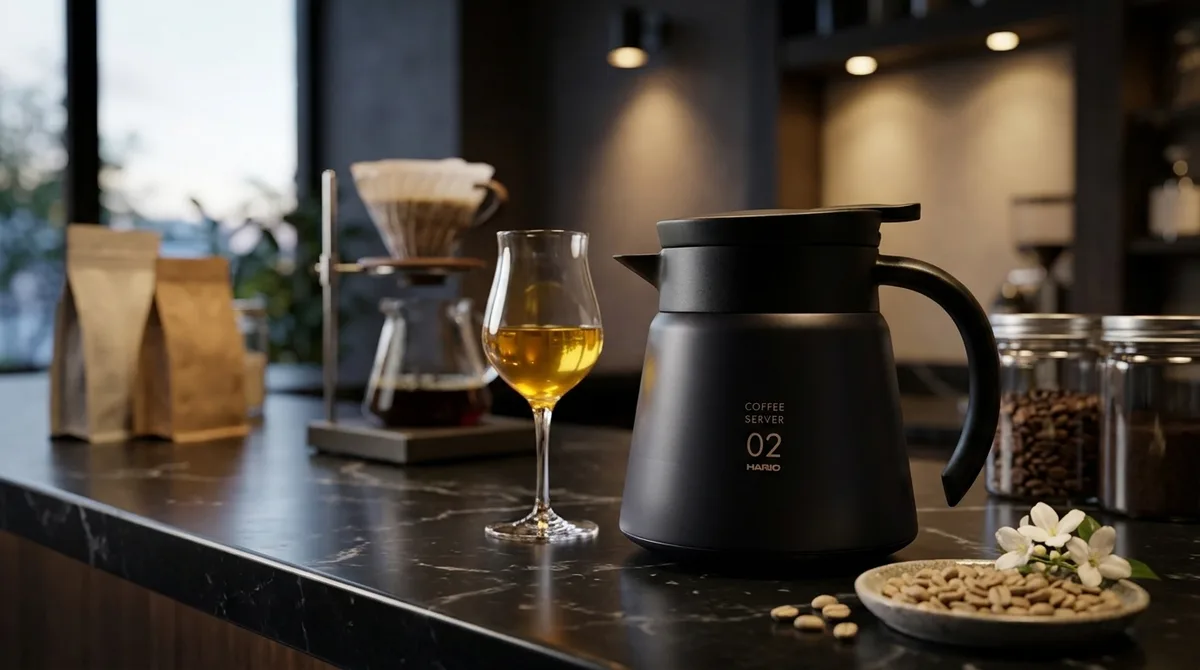 Gesha / Panama – Why it's the world's most expensive coffee
In 2004, an unknown lot appeared at the Best of Panama auction competition from a small farm called Hacienda La Esmeralda. The panel composed of the world's… 6. 3. 2026
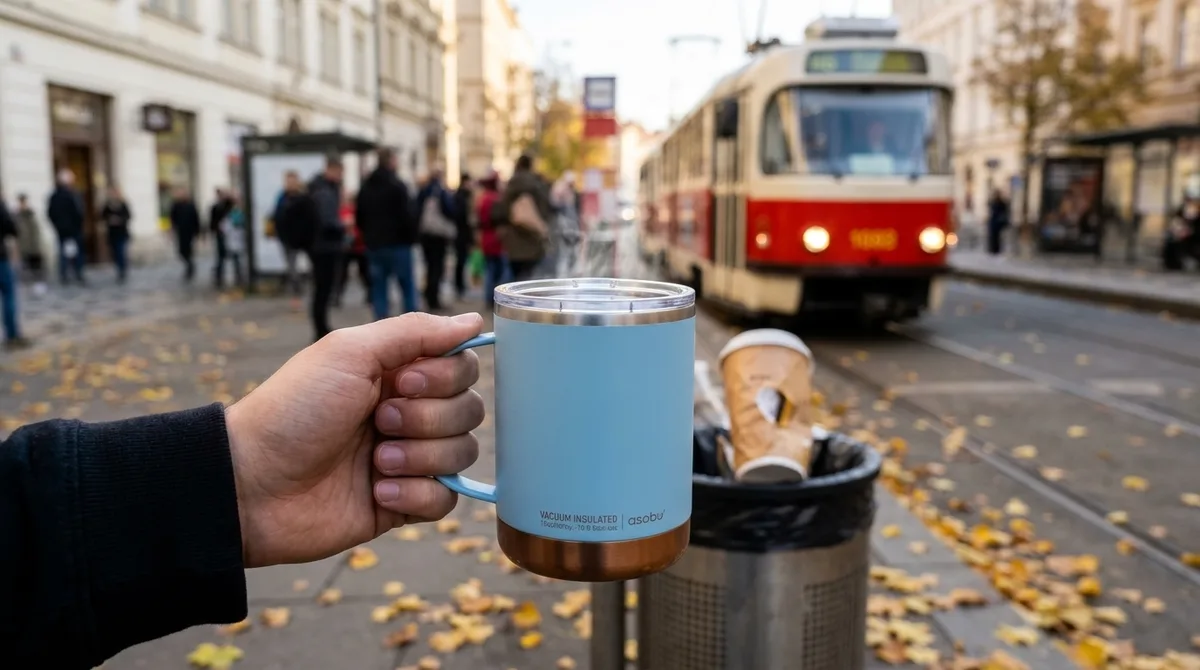 Paper cups and coffee to go – ecological alternatives
Every day, an estimated 16 billion paper cups are thrown away worldwide. Not millions – billions. In the European Union alone, it's around 2.5 billion per… 6. 3. 2026
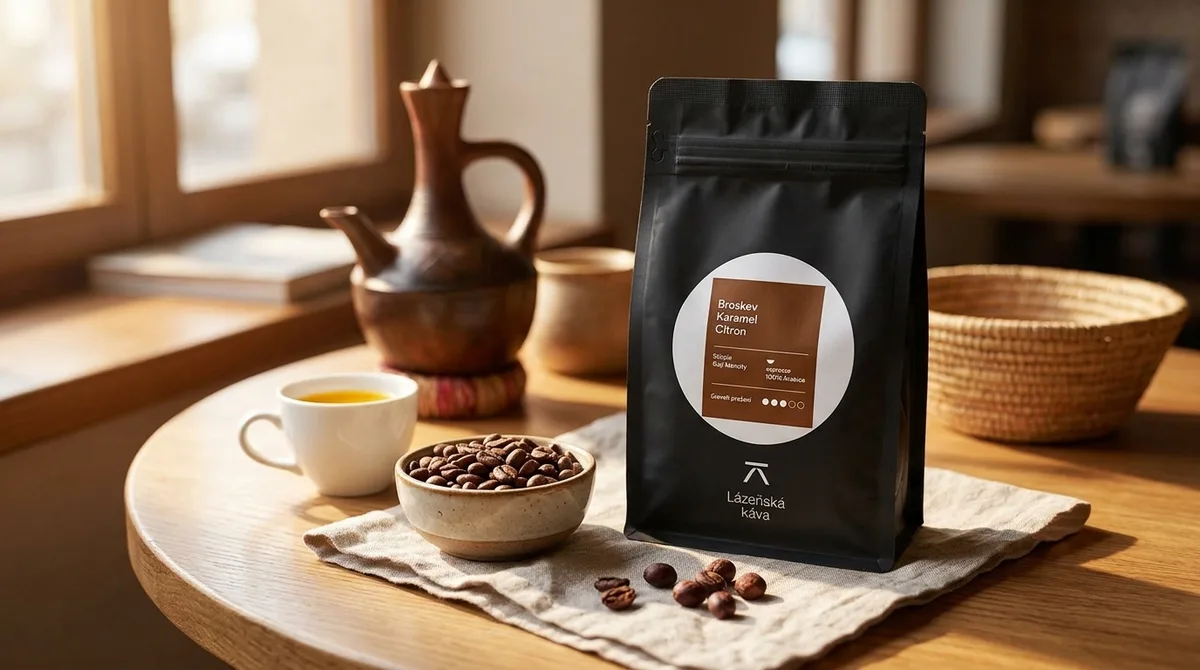 Ethiopia – The Cradle of Coffee and Exclusive Micro-Lots
Every cup of coffee in the world – from an espresso in a Milan bar to pour-over in a Tokyo café – carries Ethiopia's fingerprint in its DNA. This is not… 6. 3. 2026
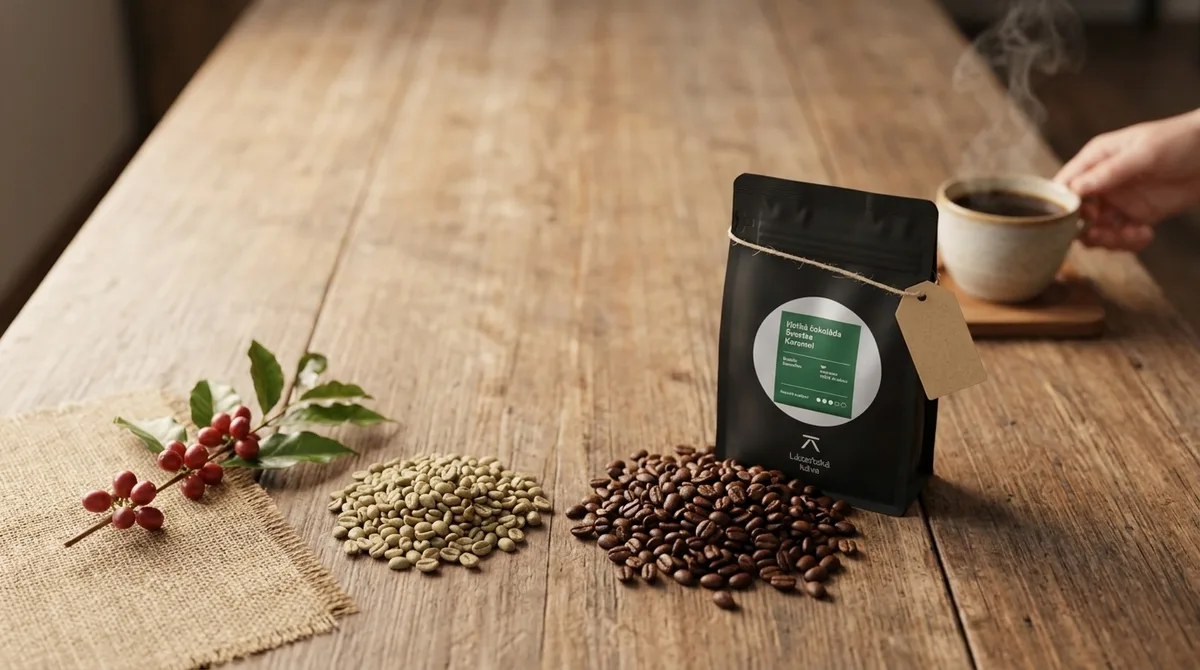 Coffee supply chain – from plantation to cup
When you brew a cup of coffee in the morning, you're drinking the result of a chain that began months or years earlier – on a plantation in Ethiopia, Colombia,… 6. 3. 2026
 Coffee Processing – Natural, Washed, Honey and Experimental Methods
On bags of roasted specialty coffee today, you'll find far more information than a decade ago: origin (Ethiopia, Colombia), variety (Bourbon, Caturra, Gesha),… 6. 3. 2026
 EUDR – what the deforestation regulation means for your coffee
Coffee is the second most traded commodity in the world after oil. Global demand is growing by 2–3% annually, and with it, pressure to expand plantations –… 6. 3. 2026
 Home roasting – coffee roasting at home
When you open a bag of freshly roasted whole bean coffee from a quality roastery, the aroma hits you immediately – caramel, chocolate, fruit, flowers. Now… 6. 3. 2026
 How to grow a coffee plant at home?
What if you had a plant at home that produces the fruits for the preparation of the world's most popular drink? I have one, and not just one. I grew it from a… 20. 5. 2025